Family Driving Holidays

Make room for the moments between the miles

Driving with children rarely goes to an uninterrupted timetable. We share thoughtful, practical approaches for family car travel across the United Kingdom—grounded in flexible route pacing, cooperative games, and scenic pauses that turn the journey itself into part of the holiday.

Start with the route Explore quiet activities
Philosophy & Pacing

Leave space in the day

A family sharing an afternoon picnic on a blanket beside a lake with hills in the background

The greatest source of friction on a family holiday is often the ambition of the itinerary. When adults calculate travel time using motorway estimates alone, any queue, toilet stop, or squabble immediately feels like lost ground. Shifting from an endurance sprint to an open journey requires booking smaller daily stages.

  • 1

    The 90-Minute Rhythm

    Children process stillness differently than adults. Dividing drives into 90-minute segments protects passenger tempers before cabin fever starts.

  • 2

    Buffer Windows

    Allowing an unscheduled 45 minutes every afternoon ensures that an extended tractor delay or an impromptu stone-skimming break does not throw dinner into chaos.

Family Engagement

Give every passenger a place in the plan

A child looking out of the back window of a safely parked vehicle at rural pastures

When passengers feel dragged along as passive cargo, restlessness builds quickly. Giving younger family members a tangible role changes the atmosphere in the cabin.

  • ◉

    Junior Navigators

    Physical paper maps allow children to trace river valleys and spot upcoming landmarks like castles or windmills.

  • ◉

    The Audio Keeper

    Rotational control of audiobooks, nature podcasts, and family playlists keeps older siblings invested in the cab.

Browse games and rituals →
Stopping Points

Build the journey around good pauses

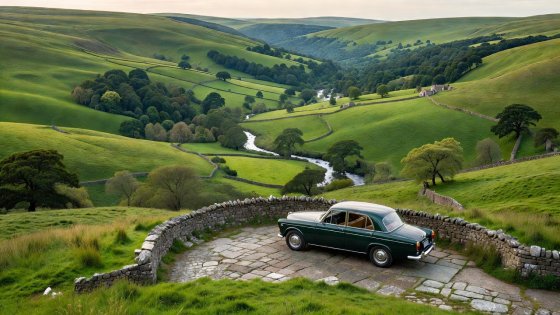
A car parked in a scenic stone layby overlooking green rolling valleys

Standard motorway service stations provide fuel and sanitation, but rarely restore anyone's spirits. Choosing rest points three miles off the primary trunk road introduces green grass, historical churchyards, and country playgrounds.

  • A

    Commons & Public Greens

    Open community spaces like Minchinhampton Common or village greens in the Yorkshire Dales let children sprint freely without crowds.

  • B

    Canal Towpaths & Locks

    Flat, vehicle-free walking paths alongside canals provide watching opportunities as narrowboats navigate flight locks.

View route planning advice
Landscape Guides

Find a landscape worth slowing for

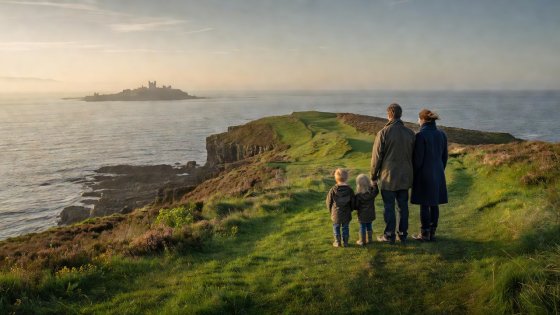
A family standing safely on a grassy coastal bluff looking toward a distant castle silhouette

Certain regions reward drivers who leave dual-carriageway corridors behind. From the ancient oak canopies of the New Forest to the wide, tide-swept coasts of Northumberland, picking the right terrain sets the mood for the whole family.

  • N

    Northumberland Coastal Byway

    Empty sands, dramatic ruins like Dunstanburgh, and wide skies offering an unhurried northern pace.

  • L

    Cumbrian Fells & Meres

    Winding valleys between Keswick and Ullswater where steamers and shoreline rambles break the drive.

Explore landscape holiday guides →
Realistic Logistics

Pack for the ordinary hiccups

Spills, sudden temperature drops, and unexpected roadworks are standard features of car travel. Packing the boot with layered access prevents unpacking the entire boot on a windy hard shoulder.

Zone Immediate Contents Why Keep Accessible
Front Footwell Thermos flask, water, sickness bags, wet flannel Quick access without unbuckling infant harnesses
Under-Seat Tray Wipes, change of toddler clothes, dry towels Rapid response to spilled juice or muddy puddles
Top of the Boot Waterproof boots, macs, fold-up picnic rug Immediate readiness for rain breaks or grass rests

Discover our comprehensive packing frameworks for different child ages on our dedicated logistics guide.

Read vehicle preparation tips →
Frequently Asked

Settle the questions before setting off

Answering practical questions ahead of departure prevents mid-journey disputes about route choices, entertainment limits, and stopping intervals.

  • ?

    How far is sensible in one day?

    For children under seven, 120 to 160 miles per day represents a comfortable ceiling.

  • ?

    Screens or scenery?

    A balanced strategy alternating between offline activities and quiet audiobooks works best.

Read all FAQ responses
About the Project

The people behind these pages

Jollyjunchatterpuff is an independent editorial platform managed by UK parents who value thoughtful travel. We do not sell package holidays, car hire, or sponsored recommendations. Our guides are born from decades of family journeys across Britain's backroads, rain-swept beaches, and rural passes.

Our editorial charter → Draft a note to our desk →